
Best Real Estate Investment Strategies for Beginners: A Comprehensive Guide to Building Wealth

Why Real Estate is the Best Investment for Beginners Real estate remains one of the most reliable and profitable investment options for beginners looking to build long-term wealth. Unlike volatile stock markets, real estate offers tangible assets that appreciate over time, generate passive income, and provide numerous tax benefits. The key to success lies in choosing the right strategy, understanding market trends, and making well-informed decisions. This guide explores the best real estate investment strategies for beginners, ensuring a smooth entry into the world of property investing. Understanding Real Estate Investment Basics What Makes Real Estate a Smart Investment? Investing in real estate offers multiple financial benefits, including: Appreciation: Property values increase over time, allowing investors to profit from capital gains. Passive Income: Rental properties provide consistent cash flow, making real estate a great source of passive income. Leverage: Unlike other investments, real estate allows investors to use borrowed money to finance a property, increasing their potential returns. Tax Benefits: Investors can deduct mortgage interest, property depreciation, and other expenses, reducing taxable income. Hedge Against Inflation: Real estate prices and rents generally rise with inflation, preserving wealth. Key Factors to Consider Before Investing Before diving into real estate, beginners must evaluate essential factors such as: Location: The profitability of an investment heavily depends on the property’s location. Market Trends: Understanding current real estate trends prevents bad investments. Financing Options: Exploring mortgage rates, loans, and financing strategies is crucial. Investment Goals: Setting clear objectives ensures strategic decision-making. Exit Strategy: Having a plan to sell or refinance maximizes returns. Best Real Estate Investment Strategies for Beginners Rental Properties – The Ultimate Passive Income Source Long-Term Rental Properties One of the best real estate investments for beginners is purchasing a rental property. Here’s why: Generates monthly cash flow through rental income. Property value appreciates over time. Tax advantages reduce overall costs. Stable demand ensures consistent occupancy rates. Best Locations for Rental Properties: Urban areas with high job opportunities. College towns with a steady student population. Tourist destinations offering year-round rental demand. Short-Term Rentals (Airbnb & Vacation Homes) For those looking to maximize rental income, short-term rentals are an excellent option. Benefits include: Higher rental income than traditional long-term rentals. Flexibility to use the property personally when needed. High demand in tourist hotspots and major cities. However, investors must consider: Local regulations and zoning laws. Maintenance and management costs. Seasonality affecting rental demand. House Flipping – Fast Profits for Active Investors The Step-by-Step Guide to Flipping Houses Flipping houses involves purchasing properties below market value, renovating them, and selling for a profit. Beginners can follow these steps: Find the Right Property – Look for undervalued homes in growing neighborhoods. Calculate the Costs – Include purchase price, renovation expenses, and holding costs. Renovate Smartly – Focus on high-return upgrades like kitchens, bathrooms, and curb appeal. Sell at a Profit – Price competitively to maximize returns and sell quickly. Pros of Flipping Houses: Quick turnaround and high-profit potential. No need for long-term property management. Opportunity to reinvest profits into more properties. Schedule a Free Consultation Today Real Estate Investment Trusts (REITs) – Low-Risk Real Estate Investing Why REITs Are Perfect for Beginners Real Estate Investment Trusts (REITs) allow beginners to invest in real estate without direct property ownership. Benefits include: Liquidity: Unlike traditional real estate, REITs can be bought and sold like stocks. Diversification: Investors gain exposure to multiple properties across various sectors. Passive Income: REITs pay regular dividends, offering a steady income stream. Types of REITs to Consider Equity REITs: Own and manage income-generating properties. Mortgage REITs: Provide financing for real estate projects. Hybrid REITs: Combine both property ownership and financing. Buy-and-Hold Strategy – Long-Term Wealth Building How to Build a Successful Buy-and-Hold Portfolio This strategy involves purchasing properties and holding them long-term while generating rental income. Key steps include: Choosing high-growth markets with strong economic fundamentals. Financing properties using favorable mortgage terms. Managing properties efficiently to maximize cash flow and appreciation. Common Mistakes Beginners Must Avoid Overlooking Property Inspections Skipping thorough inspections can lead to unforeseen repair costs and legal complications. Underestimating Costs Many beginners fail to account for maintenance, property taxes, and vacancies, reducing profitability. Failing to Research Market Trends A lack of market analysis can lead to poor investment decisions and financial losses. Mismanaging Finances Overleveraging or failing to secure the right financing can result in high debt burdens and investment failure. Frequently Asked Questions (FAQs) What is the best real estate investment for beginners? Rental properties, REITs, and buy-and-hold strategies are ideal for beginners looking for stable and profitable investments. How much money do I need to start investing in real estate? Depending on the strategy, beginners can start with as little as a few thousand dollars for REITs or need significant capital for property purchases. Is real estate investing risky? Like any investment, real estate has risks, but proper research and strategy can mitigate them. How can I finance my first real estate investment? Options include mortgages, hard money loans, seller financing, and partnerships. What are the best locations to invest in real estate? High-growth cities, college towns, and tourist destinations often offer the best returns on investment. Start Your Real Estate Investment Journey with Consult Navigating real estate investments as a beginner can be challenging, but you don’t have to do it alone. Consult is a premier real estate investment consultancy specializing in market analysis, property acquisition, portfolio management, and ROI optimization. Whether you’re looking for rental properties, flipping opportunities, or REIT investments, our experts provide tailored strategies to maximize your returns. Ready to build wealth through real estate? Contact Consult today for expert guidance and personalized investment solutions. Click here to schedule a free consultation! Schedule a Free Consultation Today
Egypt’s Economic Boom: A Golden Era for Real Estate Investment
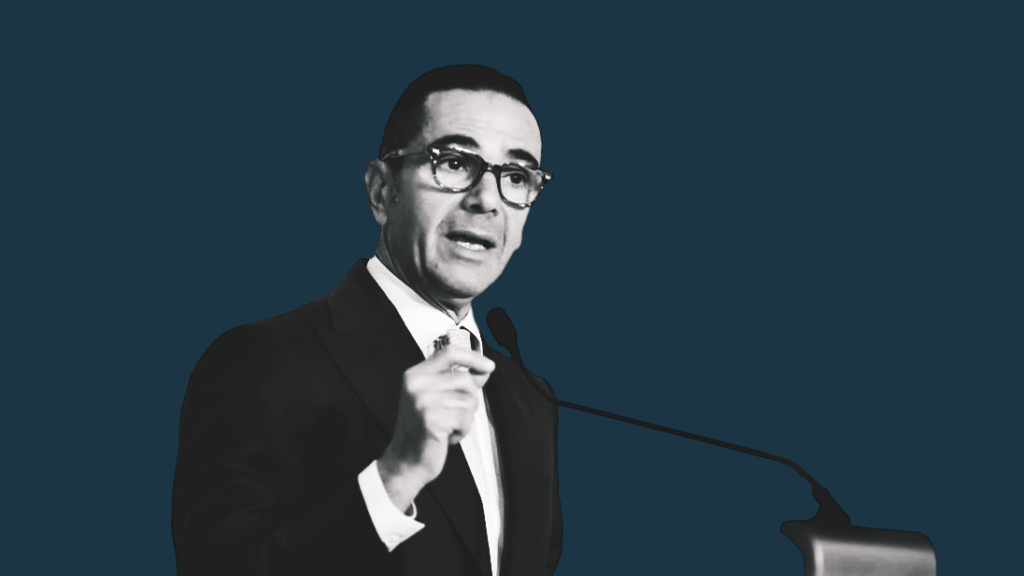
Real Estate Investment in Egypt has been significantly influenced by the country’s economic milestones in 2024, presenting both opportunities and challenges for investors. Surge in Foreign Direct Investment (FDI) The remarkable increase in FDI to $46.1 billion in 2024, up from $10 billion in 2023, was largely driven by the $35 billion Ras El Hekma deal. This substantial investment underscores the growing confidence in Egypt’s economic landscape and has spurred interest in large-scale real estate projects. The Ras El Hekma development, in particular, is set to transform Egypt’s north coast, enhancing its appeal to both domestic and international investors. National Industrial Development Strategy The government’s strategy to achieve an 8% industrial growth rate and increase the industry’s GDP contribution to 20% by 2027 emphasizes sectors like communications and information technology. This focus is anticipated to drive demand for commercial real estate, including office spaces and tech hubs, as businesses expand to align with these priorities. Agricultural Expansion Initiatives Plans to expand cultivated land by 20%, targeting 12 million hectares, aim to bolster food security and agricultural exports. This agricultural growth is expected to increase the need for related infrastructure, such as storage facilities and logistics centers, presenting opportunities for real estate development in rural areas. Tourism Sector Ambitions The objective to attract 30 million tourists annually and boost tourism revenues to $30 billion by 2027 highlights the sector’s critical role in economic growth. This ambition is likely to stimulate investments in hospitality real estate, including hotels, resorts, and entertainment venues, particularly in emerging tourist destinations. Record-Breaking Non-Oil Exports Achieving $40.8 billion in non-oil exports in 2024 reflects Egypt’s diversified economic progress. The government’s efforts to enhance product competitiveness and diversify exports may lead to increased demand for industrial real estate, such as manufacturing plants and distribution centers, to support this growth. Real Estate Market Dynamics The devaluation of the Egyptian pound and the Central Bank’s decision to float the currency in March 2024 have led to substantial property price increases. While this poses challenges, real estate remains a preferred investment avenue, serving as a hedge against inflation and currency fluctuations. The sector’s resilience continues to attract both local and foreign investors seeking stable returns. In summary, Egypt’s 2024 economic achievements have significantly impacted the real estate sector, creating diverse opportunities across residential, commercial, agricultural, and tourism-related developments. Investors are encouraged to stay informed about policy changes and market trends to effectively navigate this evolving landscape. Ready to maximize your Real Estate Investment in Egypt? Don’t miss out on lucrative opportunities in this booming market. Book your free consultation now and take the first step toward profitable investments References A Defining Year for Egypt’s Real Estate Market – Trends & Developments 2024 Real Estate Industry Insight – September 2024
How to Build a Real Estate Portfolio: A Comprehensive Guide

Why You Need a Strong Real Estate Portfolio Investing in real estate is one of the most effective ways to build long-term wealth. However, the key to sustained success lies in strategically building a diversified real estate portfolio that generates passive income, appreciates in value, and mitigates risks. Without a well-thought-out plan, investors can easily fall into common pitfalls such as overleveraging, market miscalculations, or relying too heavily on a single type of property. A real estate portfolio is more than just a collection of properties—it’s a carefully curated asset base designed to maximize returns while minimizing exposure to market fluctuations. Whether you’re a novice investor looking to purchase your first rental property or a seasoned investor aiming to scale your holdings, understanding how to structure your investments is crucial. In this guide, we’ll walk you through a step-by-step approach to building and managing a profitable real estate portfolio, covering market research, property selection, financing strategies, and risk management. 1. Define Your Real Estate Investment Goals Before purchasing properties, clearly outline your investment objectives. Your goals will dictate the type of properties you invest in, the financing methods you use, and the strategy you implement. 🔹 Common Real Estate Investment Goals: ✔ Generating steady rental income✔ Long-term property appreciation✔ House flipping for quick profits✔ Tax benefits and deductions✔ Diversification of assets Understanding your goals helps you determine whether you should focus on residential, commercial, vacation rentals, or multi-family properties. 2. Research and Analyze Real Estate Markets The success of your real estate portfolio depends on choosing the right markets. Instead of investing in any available property, conduct thorough market analysis to identify high-growth areas with strong rental demand and economic stability. Key Market Indicators to Evaluate: ✔ Job Growth: Cities with increasing employment opportunities attract more tenants.✔ Population Trends: Steady population growth signals long-term demand.✔ Rental Yield: High rental demand ensures strong cash flow.✔ Infrastructure Developments: New businesses, highways, or public transportation projects boost property value.✔ Supply vs. Demand: Low vacancy rates indicate strong rental potential. Use tools like Zillow, Redfin, and local property reports to analyze the best markets for your investment. 3. Diversify Your Real Estate Portfolio to Minimize Risk One of the biggest mistakes investors make is putting all their eggs in one basket. A well-balanced real estate portfolio includes different types of properties in multiple locations to reduce risks associated with market downturns. Effective Diversification Strategies: ✔ Invest in Different Property Types: Balance between single-family homes, multifamily units, vacation rentals, and commercial properties.✔ Expand Across Multiple Markets: Owning properties in various cities or states protects against regional downturns.✔ Use Mixed Investment Strategies: Combine buy-and-hold, flipping, and short-term rentals for maximum returns. By diversifying, you protect your portfolio from economic fluctuations and increase income sources. 4. Secure the Right Financing for Your Real Estate Investments Most investors don’t buy properties with 100% cash. Understanding financing options helps you scale your real estate portfolio efficiently while preserving liquidity. Popular Real Estate Financing Methods: ✔ Conventional Mortgages: Standard loans for long-term property holding.✔ Hard Money Loans: Short-term loans ideal for house flipping.✔ Owner Financing: Directly negotiating with sellers to avoid traditional banks.✔ HELOC (Home Equity Line of Credit): Using home equity to purchase additional properties.✔ Real Estate Syndication: Partnering with investors to buy larger properties. Choose the financing strategy that aligns with your cash flow goals and risk tolerance. Schedule a Free Consultation Today 5. Optimize Property Management for Maximum ROI A well-managed property ensures consistent rental income, lower tenant turnover, and increased appreciation. Whether you self-manage or hire a property manager, effective property management is key to long-term success. Essential Property Management Practices: ✔ Tenant Screening: Carefully vet tenants to reduce vacancy rates and late payments.✔ Regular Maintenance: Keeping properties in top condition prevents costly repairs.✔ Automated Rent Collection: Use online portals for seamless transactions.✔ Legal Compliance: Stay updated on landlord-tenant laws and regulations. Poor management can quickly turn a profitable investment into a financial burden. 6. Track Your Portfolio Performance and Adjust Strategies A successful real estate portfolio requires ongoing evaluation and optimization. Regularly track your investments to ensure they’re meeting financial expectations. Key Performance Metrics to Monitor: ✔ Cash Flow: Monthly rental income after expenses.✔ Net Operating Income (NOI): Income minus operating costs.✔ Capitalization Rate (Cap Rate): NOI divided by property value.✔ Return on Investment (ROI): Profitability percentage over investment cost. If a property underperforms, consider adjusting rent, improving management, or selling underperforming assets. Schedule a Free Consultation Today Frequently Asked Questions About Building a Real Estate Portfolio 1. How many properties should I have in my real estate portfolio? There’s no magic number—it depends on your financial goals, risk tolerance, and market conditions. Some investors thrive with a few high-value properties, while others scale to 20+ units. 2. How do I start investing in real estate with little money? Options include house hacking, real estate wholesaling, owner financing, or partnering with investors to fund your first deal. 3. What’s the best type of property for beginners? Single-family rental homes are often a great starting point due to their lower maintenance costs and strong rental demand. 4. Should I invest in local markets or out-of-state properties? It depends on where you find the best cash flow opportunities. Some investors choose out-of-state markets with higher rental yields. 5. How do I know if a property is a good investment? Analyze rental yield, appreciation potential, location, and market demand before purchasing. Use tools like cap rate calculators and ROI projections. Ready to Build a Profitable Real Estate Portfolio? Let Consult Help You Building a real estate portfolio requires expertise, strategic planning, and market insights. Whether you’re just getting started or looking to scale, Consult offers expert guidance in market analysis, property acquisition, portfolio management, and ROI optimization. ✔ Personalized Investment Strategies✔ Expert Market Insights✔ Risk Mitigation and Portfolio Diversification✔ Maximized Returns on Investment Schedule a Free Consultation Today
5 Things to Look for in Your Next Real Estate Investment in Egypt

Investing in Egyptian real estate can be a lucrative venture, but success hinges on making informed, strategic choices. Whether you’re a first-time investor or a seasoned property enthusiast, understanding the key elements that drive a successful real estate investment is crucial. 1. Location: The Golden Rule of Real Estate Location remains the most critical factor in any real estate investment. In Egypt, this means looking beyond just the city—consider proximity to: Cities like Cairo, Alexandria, and the New Administrative Capital offer diverse investment opportunities. Pay close attention to neighborhoods with planned infrastructure improvements or those near major economic developments. 2. Market Trends and Economic Indicators Understanding local real estate market dynamics is essential. In Egypt, keep an eye on: The Egyptian government’s recent initiatives, such as developing new urban communities and offering investment incentives, have created promising opportunities for savvy investors. 3. Property Condition and Potential for Appreciation When evaluating property potential, it’s important to distinguish between resale units and primary units bought off-plan. Resale Units For resale properties, consider the following: Look for properties that offer both immediate rental income and long-term capital appreciation. Areas like the New Administrative Capital and coastal developments in the Red Sea region show promising growth potential. Off-Plan Units When considering off-plan properties (new developments), evaluate: Investing in off-plan units can yield significant returns if you choose a reputable developer and a location with strong growth potential. 4. Legal and Regulatory Considerations Navigating Egypt’s real estate legal landscape requires careful attention: Consider working with a reputable local legal advisor to navigate these complexities effectively. Recent changes in Egyptian property laws have made investments more transparent and secure for both local and international investors. 5. Financial Feasibility and Investment Strategy A successful investment requires a comprehensive financial approach: Egyptian real estate offers various investment models, from residential apartments to commercial properties and vacation rentals. Understanding your financial strategy is crucial to maximizing returns on your investments. Conclusion Investing in Egyptian real estate can be a rewarding journey when approached with knowledge, strategy, and careful planning. By focusing on these five critical aspects—location, market trends, property condition (both resale and off-plan), legal considerations, and financial feasibility—you’ll be well-positioned to make informed decisions that align with your financial goals. Disclaimer: Always consult with local real estate professionals and conduct thorough due diligence before making any investment decisions.