
LMD Invests $169M in New Zayed: Boosting Urban Expansion and Modern Living

LMD Egypt, a prominent real estate developer, has announced a substantial investment in a new project spanning 150 acres (approximately 630,000 square meters) directly opposite Sphinx International Airport in New Zayed. This strategic location is poised to enhance the project’s appeal, offering unparalleled accessibility and connectivity. Project Highlights: About LMD Egypt: Established in 2007, LMD has developed a diverse portfolio of projects across Egypt and internationally, including ventures in the UAE, Spain, and Greece. Notable developments in Egypt include: Implications for the Real Estate Market: LMD’s new project in New Zayed is poised to significantly contribute to the area’s development, attracting potential homeowners and investors seeking modern living spaces and business opportunities. The project’s strategic location near Sphinx International Airport and its comprehensive mixed-use offerings are expected to enhance the appeal of New Zayed as a desirable destination. Stay Informed: As LMD Egypt progresses with this project, further details regarding unit specifications, pricing, and sales launches will be made available. Interested parties are encouraged to monitor official LMD communications for the latest updates. Note: For more information on LMD’s projects and updates, kindly contact us.
Tabarak Group Announces 60 Billion EGP Investment in 2024

Tabarak Holding Group, a prominent player in Egypt’s real estate sector, has reported remarkable growth in 2024, with its subsidiaries achieving a 100% year-on-year increase in sales. This impressive performance is underpinned by substantial investments totaling 60 billion EGP , marking a 120% increase compared to the previous year. Expansion of TBK Developments In 2021, Tabarak Holding launched TBK Developments, its dedicated development arm, which has since played a pivotal role in the company’s success. With a land portfolio encompassing 4.5 million square meters, TBK Developments is poised to introduce N Residence, the final phase of the 90 Avenue project. This phase will offer serviced residential units, complementing the completed first and second phases. The third phase is currently being handed over, with the entire project slated for completion by the end of 2025. Furthering its expansion, the company is acquiring new land in West Cairo for a mixed-use project that will encompass residential, commercial, and administrative spaces. Details of this project are expected to be announced in early 2025, signaling Tabarak Holding’s commitment to diversifying its portfolio and meeting the evolving demands of the market. International Ventures Tabarak Holding’s growth trajectory extends beyond Egypt through its international subsidiary, Tabarak International. In Saudi Arabia, the third phase of the A’aly AlRiyadh project is progressing on schedule, with completion anticipated in April 2025. The full delivery of 380 units is expected by the end of 2025 and into the first half of 2026. Recognizing the robust demand in Saudi Arabia’s real estate market, the Group plans to acquire additional land to further its investments in the region. Moreover, Tabarak Holding is exploring opportunities in European markets, aiming to leverage its reputable brand to attract a diverse clientele and expand its international footprint. Commitment to Sustainable Development At the United Nations’ World Urban Forum held in Cairo, Tabarak Holding showcased its commitment to sustainable development, particularly within the 90 Avenue project. The company emphasized the incorporation of eco-friendly building materials, renewable energy systems such as solar panels, and advanced waste management technologies. These initiatives align with global sustainability standards and reflect the company’s dedication to environmentally responsible development. Future Outlook Looking ahead, Tabarak Holding aims to double its investments and expand its land portfolio with diverse projects both domestically and internationally. The Group forecasts a sales increase exceeding 30% in 2025, supported by strategic partnerships with government bodies and international companies in the hospitality sector. This ambitious expansion strategy is in harmony with Egypt’s Vision 2030, contributing to the nation’s comprehensive urban development goals. Chairperson Ali Al Shorbany stated, “Our goal is to double our investments and expand our land portfolio with diverse projects in Egypt and abroad. We are committed to a bright future for the Group, full of accomplishments and new challenges, while contributing to Egypt’s Vision 2030 and its comprehensive urban development.” In summary, Tabarak Holding’s strategic investments and commitment to sustainable development have positioned the Group for continued success. By aligning its projects with national development objectives and exploring new markets, Tabarak Holding is set to play a significant role in shaping the future of real estate development in Egypt and beyond.
Madbouly meets with prominent business figures
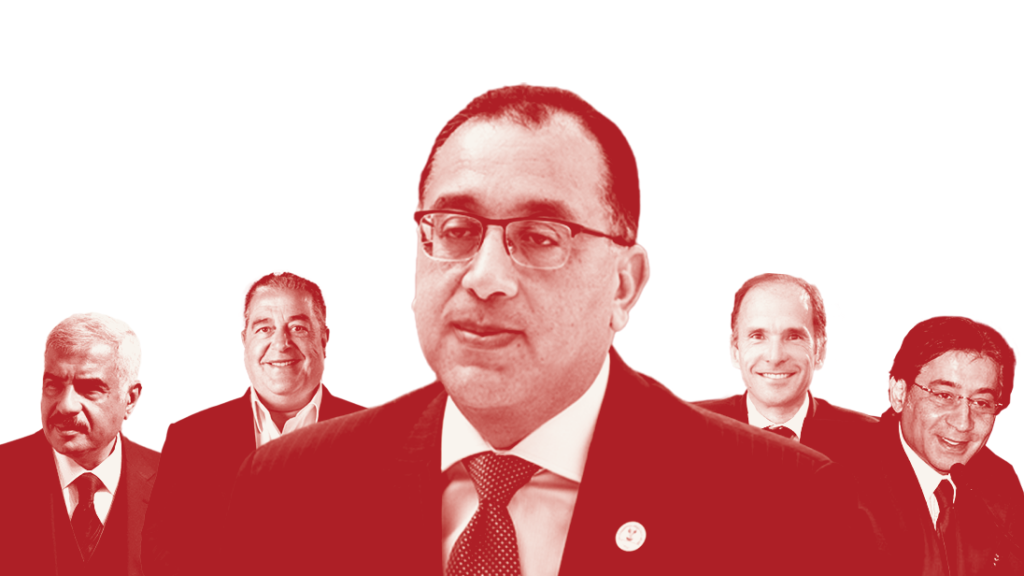
In a recent high-level meeting, Egyptian Prime Minister Dr. Mostafa Madbouly convened with leading business figures to address the nation’s pressing economic challenges. This initiative underscores the government’s proactive approach and commitment to fostering a collaborative environment where private sector insights are integral to policy formulation. By engaging directly with industry leaders, the government aims to harness diverse expertise to navigate economic hurdles and drive sustainable development. Key Discussions: The meeting marked a pivotal step in addressing Egypt’s pressing economic challenges. By actively engaging with influential private sector leaders, the government has signaled its openness to integrating innovative ideas and leveraging private sector expertise to shape effective economic policies. This exemplifies the government’s recognition that sustainable economic growth cannot be achieved in isolation. Instead, it necessitates strategic partnerships with experienced business leaders who possess firsthand knowledge of market dynamics and economic trends. The discussions held underscore a collective effort to tackle key issues, including foreign currency shortages, regulatory barriers, and public debt management, all of which pose significant challenges to the country’s economic stability. The proposed solutions—such as resuming building permits to revive the construction sector, forming a private-sector advisory committee to address foreign currency deficits, and establishing a sovereign wealth fund to optimize asset management—highlight the government’s willingness to take bold, decisive actions. These strategies not only aim to stabilize the economy in the short term but also create a robust foundation for long-term growth. Moreover, the meeting emphasized the importance of modernizing administrative processes and recruiting new talent to rejuvenate Egypt’s workforce. This focus on institutional reform aligns with broader efforts to enhance efficiency and transparency within government operations, ensuring that policies are both adaptable and forward-thinking. By fostering a collaborative atmosphere, the Egyptian government is paving the way for an inclusive economic recovery. The partnership between public and private sectors holds the potential to unlock new opportunities for investment, strengthen infrastructure, and build resilience against future economic uncertainties. This approach positions Egypt as a competitive player in the global economy, capable of attracting foreign investment and sustaining growth. In conclusion, this meeting reflects Egypt’s commitment to economic transformation through strategic collaboration, sound fiscal management, and innovative policymaking. As the government continues to implement these proposals, it sets a clear precedent for how cooperation between the public and private sectors can drive sustainable development and ensure economic prosperity for future generations.
Egypt’s Real Estate Market: A Comprehensive Analysis of Investment Opportunities in 2025

As we approach the end of 2024, Egypt’s real estate market is undergoing a remarkable transformation, driven by economic resilience, government initiatives, and evolving consumer preferences. With the year drawing to a close, investors looking to capitalize on emerging opportunities should be aware of several key trends that are reshaping the landscape and setting the stage for growth in the coming years. Economic Resilience and Growth Egypt’s economy has shown remarkable resilience, attracting significant foreign investment. The real estate sector is projected to reach a value of USD 1.46 trillion by the end of 2024, with an anticipated compound annual growth rate (CAGR) of 7.21% from 2024 to 2029. This growth reflects the country’s strategic efforts to stabilize and enhance its economic framework, making it an attractive destination for investors. Residential Sector Expansion Economic Growth: Despite global economic challenges, Egypt’s real estate sector has shown resilience, with property growth rates surpassing 15% in recent years. Moreover, the rapidly increasing population and urbanization rates have increased the demand for housing, particularly in major cities like Cairo and Alexandria. The market size is expected to expand from USD 20.02 billion in 2024 to USD 33.67 billion by 2029, representing a robust CAGR of 10.96% This expansion indicates strong demand for housing solutions that cater to various income levels, particularly among younger demographics. Government Mega Projects Driving Growth Government initiatives, including the ambitious New Administrative Capital (NAC) and other mega projects, are significantly transforming Egypt’s real estate landscape. These developments aim to alleviate congestion in Cairo while creating new urban centers that offer vast opportunities for investors. The NAC is designed with modern infrastructure and smart city technologies, positioning it as a focal point for future urban development. Sustainability and Smart Urban Living There is a growing emphasis on sustainability within the real estate sector, with developers increasingly focusing on eco-friendly and technologically advanced projects. This trend aligns with global movements toward greener urban development, making Egypt an appealing destination for forward-thinking investors who prioritize environmental considerations in their investment strategies. The Rise of PropTech and Digitalization The integration of digital technologies and PropTech (property technology) is revolutionizing the real estate sector in Egypt. Innovations such as virtual property tours and blockchain-based transactions are enhancing transparency, efficiency, and overall customer experience. This digital transformation is pivotal in attracting tech-savvy investors and improving market accessibility. Affordable Housing Gains Momentum While luxury properties continue to attract attention, there is also a significant demand for affordable housing options. The government’s commitment to providing affordable housing solutions addresses the needs of a broader demographic, ensuring inclusive growth within the real estate sector. This focus on affordability is crucial in a market where economic disparities persist. Opportunities in Mixed-Use Developments Mixed-use developments are gaining popularity as they integrate residential, commercial, and recreational spaces into cohesive projects. This approach caters to modern consumers’ desire for convenience and integrated living environments, presenting lucrative opportunities for investors looking to tap into this evolving market trend. Conclusion Egypt’s real estate market is on an upward trajectory, presenting a wealth of opportunities for savvy investors. By understanding these key trends—ranging from economic resilience and government initiatives to sustainability efforts—investors can effectively navigate the market landscape. Whether focusing on luxury residential properties, sustainable developments, or tech-driven solutions, Egypt’s real estate sector promises substantial returns as it continues to evolve in response to both local and global dynamics.