
مشاكل الإيجار العقاري: كيف تتجنبها وتضمن دخلًا شهريًا مستقرًا؟
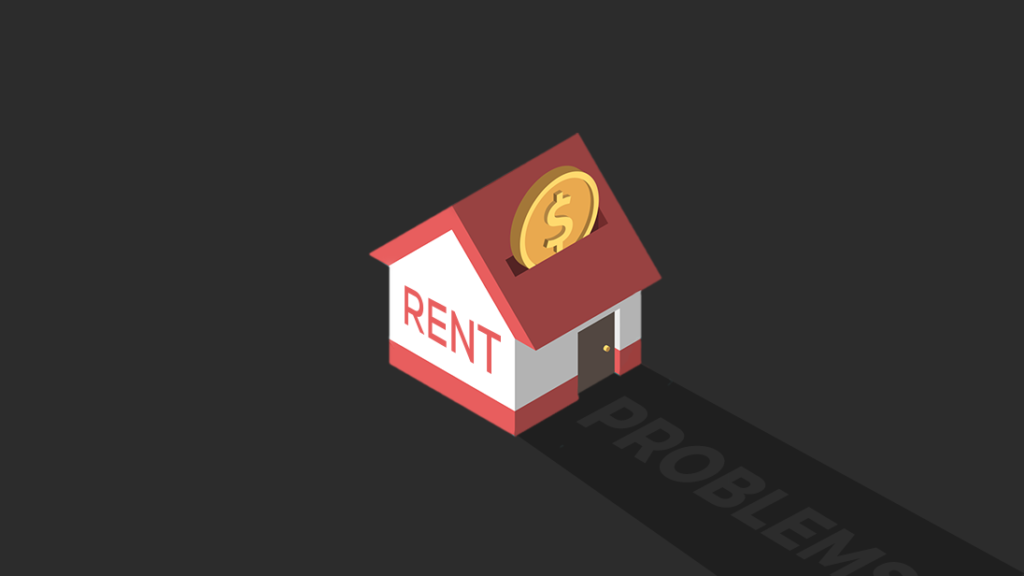
يعد الاستثمار في الإيجار العقاري أحد أكثر الطرق شيوعًا لتحقيق دخل سلبي ومستدام، ولكنه لا يخلو من التحديات. تأخر سداد الإيجار، الأضرار التي قد تلحق بالعقار، أو حتى مشكلات التعامل مع المستأجرين، كلها عوامل قد تؤثر على العوائد المالية للمستثمرين والملاك. لكن ماذا لو كان بإمكانك تحقيق دخل شهري ثابت دون أي جهد أو متابعة مباشرة؟ هنا يأتي دور Consult، حيث تتولى مسؤولية إدارة الإيجار بالكامل بدءًا من إيجاد المستأجر المناسب إلى ضمان دفع الإيجار في موعده، مما يوفر لك استثمارًا عقاريًا بدون متاعب. في هذا المقال، سنناقش أبرز مشاكل الإيجار العقاري، وكيفية تجنبها، وكيف يمكن لـ Consult مساعدتك في تحقيق عوائد مستقرة دون الحاجة إلى أي تدخل منك. أهم مشاكل الإيجار العقاري وكيفية تجنبها 1. تأخر المستأجر في دفع الإيجار تُعد مشكلة التأخير في سداد الإيجار واحدة من أكبر التحديات التي تواجه المستثمرين في العقارات المؤجرة. كيف تتجنب هذه المشكلة؟ الاعتماد على فريق استشاري محترف مثل Consult، والذي يقوم بفحص السجل المالي والائتماني للمستأجر قبل التعاقد معه.وضع شروط واضحة في العقد تضمن التزام المستأجر بسداد الإيجار في الموعد المحدد.استخدام أنظمة دفع إلكترونية تتيح للمستأجر الدفع بسهولة مع ضمان تسجيل كل معاملة. تولي Consult مسؤولية تحصيل الإيجار نيابة عنك، مما يضمن وصول الدفعات الشهرية إليك دون الحاجة إلى متابعات مرهقة. 2. الأضرار التي قد تلحق بالعقار بعض المستأجرين لا يهتمون بصيانة العقار، مما قد يؤدي إلى تلفيات وخسائر مالية كبيرة. طرق التعامل مع هذه المشكلة إجراء فحص شامل قبل وبعد الإيجار، وهو ما تقوم به Consult لضمان حماية العقار. تحصيل مبلغ تأمين مقدمًا كضمان لأي تلفيات غير متوقعة. إضافة بند مسؤولية الصيانة في العقد يلزم المستأجر بالحفاظ على العقار في حالة جيدة. إجراء زيارات دورية لمتابعة حالة العقار، والتي يمكن أن تتولاها Consult نيابة عن المستثمر لضمان الحفاظ على قيمة العقار. 3. رفض المستأجر مغادرة العقار بعد انتهاء العقد قد يواجه الملاك مشكلة عندما يرفض المستأجر مغادرة العقار بعد انتهاء مدة العقد، مما يستلزم إجراءات قانونية معقدة لإخلائه. كيف تتجنب هذه المشكلة؟ ✔ الاعتماد على شركة إدارة عقارات مثل Consult التي تتأكد من صياغة عقود قانونية محكمة تتضمن شروط الإخلاء بوضوح. ✔ الاتفاق المسبق على شروط التجديد أو المغادرة حتى لا يكون هناك أي نزاعات مستقبلية. ✔ اتخاذ الإجراءات القانونية السريعة عند الحاجة، وهو ما يمكن لـ Consult القيام به نيابة عنك. 4. مشاكل قانونية ونزاعات مع المستأجرين قد تنشأ خلافات قانونية حول زيادة الإيجار، تأخير الصيانة، أو فسخ العقد قبل موعده. كيف تتجنب النزاعات القانونية؟ كتابة عقد شامل ومحكم يتضمن جميع الالتزامات والشروط بوضوح. الالتزام بالقوانين المحلية لضمان حقوق المستثمر والمستأجر على حد سواء. الاستعانة بخبراء إدارة العقارات مثل Consult لتجنب أي مشكلات قانونية قبل حدوثها. كيف تضمن دخلًا شهريًا ثابتًا من الإيجار العقاري؟ بدلاً من القلق بشأن إدارة العقار وإيجاد المستأجرين، يمكنك الاعتماد على Consult في توفير تجربة استثمارية سلسة وخالية من المتاعب. تحديد المستأجر المناسب: تقوم Consult بإجراء تحليل شامل لكل مستأجر لضمان قدرته المالية والتزامه. إدارة عقد الإيجار بالكامل: تتولى Consult صياغة العقود، تحصيل الإيجارات، وضمان دفعها في الوقت المحدد. ضمان الدفع الشهري: حتى في حال تأخر المستأجر، تضمن لك Consult تحصيل الإيجار دون أي تأخير. إجراء الصيانة الدورية: يتم متابعة حالة العقار بشكل دوري للحفاظ على جودته. إجراءات قانونية سريعة: في حال حدوث أي مشكلات، تتولى Consult التعامل مع الإجراءات القانونية نيابة عنك. أسئلة شائعة حول مشاكل الإيجار العقاري كيف يمكنني تجنب تأخر الإيجار؟ من خلال اختيار المستأجر بعناية، وتوقيع عقود واضحة، والاعتماد على خدمات Consult لضمان تحصيل الإيجار بانتظام. هل يمكن لـ Consult إدارة عقارات متعددة؟ نعم، تقدم Consult خدمات إدارة العقارات للمستثمرين الذين يمتلكون وحدات متعددة، مما يضمن لهم عائدًا شهريًا ثابتًا دون عناء. ماذا يحدث إذا رفض المستأجر المغادرة؟ في هذه الحالة، تقوم Consult باتخاذ الإجراءات القانونية اللازمة لضمان إخلاء العقار وفقًا للعقد والقانون. هل توفر Consult ضمانًا لدخل الإيجار الشهري؟ نعم، مع خدمات إدارة العقارات الاحترافية من Consult، يمكنك ضمان استلام دفعات الإيجار الشهرية في موعدها المحدد. كيف أبدأ في الاستثمار مع Consult؟ يمكنك التواصل معنا عبر موقعنا الإلكتروني أو الاتصال بنا للحصول على استشارة مجانية حول كيفية تحقيق دخل إيجاري مستقر دون أي متاعب. استثمر بذكاء في العقارات المؤجرة مع Consult لماذا تقلق بشأن مشاكل الإيجار العقاري بينما يمكنك الاعتماد على خبراء Consult؟ ✔ نبحث لك عن أفضل المستأجرين الموثوقين. ✔ نضمن لك تحصيل الإيجار شهريًا بدون تأخير. ✔ نوفر لك إدارة متكاملة للعقار دون أي تدخل منك. اتصل بنا اليوم للاستفادة من خدماتنا الحصرية واستثمر بذكاء مع Consult
How Can the Real Estate Market Be Analyzed? A Complete Guide for Investors and Developers

The real estate market is constantly evolving, influenced by economic trends, demographic shifts, and government policies. Understanding how to analyze the real estate market is crucial for investors, developers, and homebuyers looking to make informed decisions. A well-conducted market analysis helps identify profitable opportunities, minimize risks, and maximize return on investment (ROI). This guide provides a step-by-step approach to analyzing the real estate market, covering key indicators, tools, and strategies to ensure successful property investments. What Is Real Estate Market Analysis? Real estate market analysis involves assessing various factors that affect property values, demand, and supply. It includes evaluating economic indicators, studying price trends, and identifying high-growth areas for investment. A successful market analysis allows investors to: Determine the best time and location for property investment. Assess the profitability of residential, commercial, or rental properties. Understand buyer and renter behavior to optimize pricing and marketing strategies. Key Factors in Real Estate Market Analysis Supply and Demand Dynamics The balance between supply and demand plays a major role in property valuation: High demand, low supply → Property prices increase. Low demand, high supply → Property prices decrease. Understanding these dynamics helps investors target locations where demand is rising faster than supply. Property Price Trends To gauge market health, monitor: Average price per square meter in different locations. Historical price changes to predict future trends. Inflation and interest rate impacts on property affordability. Economic Indicators Affecting Real Estate Several economic factors influence real estate markets, including: GDP Growth – A strong economy leads to increased property demand. Interest Rates – Higher rates make borrowing more expensive, potentially lowering demand. Inflation – Affects construction costs and overall property prices. Identifying High-ROI Investment Areas Choosing the right location is key to real estate success. The best areas for investment typically feature: Infrastructure developments and transport accessibility. Government-backed projects boosting property value. Growing population and increasing rental demand. Methods and Tools for Real Estate Market Analysis Comparative Market Analysis (CMA) This approach compares similar properties within a given location to: Estimate the fair market value of a property. Identify pricing trends and buyer preferences. Evaluate whether an area is overvalued or undervalued. Key Performance Indicators (KPIs) in Real Estate Return on Investment (ROI): Measures the profitability of a property investment. Occupancy Rate: Indicates demand for rental properties in an area. Market Absorption Rate: Shows how quickly properties are sold in a specific location. Practical Steps to Conduct a Real Estate Market Analysis Research Investment Opportunities Before investing, consider: Is the area experiencing economic growth? Are there planned infrastructure improvements? What is the demand for rental properties in the location? Analyze Competition in the Market Compare property prices among different developers. Study successful real estate projects to identify key success factors. Look for gaps in the market where new investment opportunities exist. Forecasting Market Trends Predicting future trends requires analyzing: Government policies affecting real estate. Changes in population demographics. Upcoming large-scale developments impacting property values. Common Questions About Real Estate Market Analysis How do I determine if a real estate market is growing or declining? Look at indicators such as rising property prices, increased sales activity, and high demand for rentals. Can I analyze the real estate market on my own, or do I need professional help? You can conduct a basic analysis, but consulting an expert provides deeper insights and minimizes risks. What are the best tools for real estate market analysis? Platforms offering comparative market analysis (CMA), real estate reports, and price trend tracking. How do interest rates impact real estate investment? Higher interest rates increase borrowing costs, potentially reducing buyer demand. Lower rates can boost property purchases. What factors should I consider when choosing an investment location? Economic growth, infrastructure projects, population trends, and demand for housing or rentals. Partner with Consult for Expert Real Estate Market Analysis Want to make smart real estate investments? Consult provides in-depth market analysis to help you:Identify high-potential investment opportunitiesUnderstand market trends and maximize ROIReceive tailored real estate investment guidance Contact us now for a free consultation and take the first step toward successful real estate investments
كيف يمكن تحليل السوق العقاري؟ دليل شامل للمستثمرين والمطورين

تحليل السوق العقاري هو المفتاح لفهم ديناميكيات العرض والطلب، ومعرفة أفضل المناطق للاستثمار، والتنبؤ بالاتجاهات المستقبلية. سواء كنت مستثمرًا فرديًا أو شركة تطوير عقاري، فإن معرفة كيفية تحليل السوق تساعدك على اتخاذ قرارات ذكية تقلل المخاطر وتحقق أعلى العوائد. ما هو تحليل السوق العقاري؟ تحليل السوق العقاري هو عملية تقييم العوامل المؤثرة على أسعار العقارات، الطلب والعرض، والمناطق الاستثمارية الواعدة. يعتمد التحليل على بيانات اقتصادية، مؤشرات أداء السوق، وتقارير الجهات الرسمية. أهمية تحليل السوق العقاري اتخاذ قرارات استثمارية دقيقة: يساعد في معرفة أفضل توقيت وموقع للاستثمار. تقليل المخاطر المالية: من خلال تجنب الأسواق الراكدة أو غير المستقرة. التخطيط الاستراتيجي للمطورين العقاريين: لضمان نجاح المشاريع العقارية. فهم سلوك المشترين والمستأجرين: مما يساعد في تسويق العقارات بشكل أفضل. العوامل الأساسية في تحليل السوق العقاري العرض والطلب يتحكم توازن العرض والطلب في أسعار العقارات: إذا كان الطلب أعلى من العرض، سترتفع الأسعار. إذا كان العرض أكبر من الطلب، فقد تنخفض الأسعار لجذب المشترين. تحليل الأسعار العقارية لمعرفة اتجاهات السوق، يجب متابعة: متوسط سعر المتر المربع لكل منطقة. المقارنة بين الأسعار الحالية والسابقة لمعرفة اتجاه الأسعار. تأثير التضخم ومعدلات الفائدة على القوة الشرائية والاستثمار العقاري. المؤشرات الاقتصادية المؤثرة يجب متابعة العوامل الاقتصادية التي تؤثر على السوق العقاري، مثل: النمو الاقتصادي: يؤثر على القوة الشرائية للأفراد. معدلات الفائدة: كلما ارتفعت، زادت تكلفة التمويل العقاري، مما قد يقلل الطلب. التضخم: يؤدي إلى ارتفاع أسعار العقارات بسبب زيادة تكلفة البناء. تحليل المناطق الاستثمارية الواعدة اختيار المنطقة المناسبة للاستثمار العقاري يعتمد على: توافر البنية التحتية والمواصلات الحديثة. المشاريع الحكومية الكبرى وتأثيرها على قيمة العقارات. نسبة الطلب على العقارات السكنية والتجارية في المنطقة. الأدوات المستخدمة في تحليل السوق العقاري دراسات المقارنة العقارية (CMA – Comparative Market Analysis) تُستخدم هذه الطريقة لمقارنة العقارات المماثلة في نفس المنطقة، مما يساعد في: تحديد القيمة السوقية العادلة للعقار. فهم مستوى الطلب على العقارات المشابهة. تحديد السعر المناسب للبيع أو الشراء. مؤشرات الأداء العقاري (KPIs – Key Performance Indicators) العائد على الاستثمار (ROI): لحساب الربحية المتوقعة للعقار. نسبة الإشغال: لمتابعة الطلب على الإيجارات. عدد العقارات المتاحة: لمعرفة ما إذا كان السوق مشبعًا أم لا. تحليل السوق العقاري للمستثمرين والمطورين البحث عن الفرص الاستثمارية قبل الاستثمار، يجب تحليل عدة عوامل: هل المنطقة تشهد نموًا سكانيًا واقتصاديًا؟ هل البنية التحتية قوية؟ ما مدى توافر الخدمات الأساسية والترفيهية؟ تحليل المنافسة العقارية دراسة الأسعار التي يحددها المطورون العقاريون المنافسون. معرفة نقاط القوة والضعف في المشروعات المشابهة. استكشاف الفرص لتقديم مزايا تنافسية لمشروعك. التنبؤ باتجاهات السوق المستقبلية يمكن التنبؤ باتجاهات السوق العقاري من خلال: تحليل تقارير العقارات الرسمية. متابعة تغيرات القوانين والتشريعات العقارية. مراقبة المشاريع الجديدة وتأثيرها على العرض والطلب. أسئلة شائعة حول تحليل السوق العقاري كيف أعرف إذا كان السوق العقاري في حالة نمو أم ركود؟ يمكنك معرفة ذلك من خلال متابعة مؤشرات مثل زيادة الطلب على الشراء، ارتفاع الأسعار، ونسب الإشغال العالية. هل يمكنني تحليل السوق العقاري بنفسي أم يجب الاستعانة بخبير؟ يمكنك إجراء تحليل مبدئي بنفسك، لكن اللجوء إلى خبير عقاري يمنحك دقة أكبر ورؤية أعمق للسوق. ما الأدوات التي يمكن استخدامها لتحليل السوق العقاري؟ تشمل أهم الأدوات دراسات مقارنة السوق (CMA)، تقارير الأداء العقاري، ومنصات البحث العقاري المتخصصة. ما أهمية متابعة معدلات الفائدة عند تحليل السوق؟ تلعب معدلات الفائدة دورًا رئيسيًا في تحديد إمكانية الحصول على تمويل عقاري، مما يؤثر بشكل مباشر على الطلب على العقارات. كيف أختار أفضل منطقة للاستثمار العقاري؟ يجب التركيز على المناطق التي تتمتع بنمو اقتصادي مستمر، مشاريع تنموية جديدة، وزيادة في معدلات الطلب على السكن. استثمر بذكاء مع Consult – شريكك في التحليل العقاري هل ترغب في اتخاذ قرارات استثمارية ناجحة؟ Consult توفر لك تحليلًا متعمقًا للسوق العقاري لمساعدتك في:تحديد الفرص الاستثمارية المربحةدراسة توجهات السوق العقاري وتحليل العوائد المحتملةتقديم استشارات متخصصة للمستثمرين والمطورين العقاريين اتصل بنا الآن للحصول على استشارة مجانية مع خبراء Consult وابدأ استثمارك العقاري بثقة
Successful Real Estate Investment: A Comprehensive Guide to Building Wealth

Real estate has long been considered one of the safest and most profitable investment options. However, not all real estate investments yield success. The key to successful real estate investment lies in strategic planning, thorough research, and market understanding. Whether you’re a beginner or an experienced investor, knowing how to choose the right property, manage risks, and optimize returns is essential. In this guide, we’ll explore the fundamentals of successful real estate investment, covering everything from property selection and financing to risk management and long-term profitability. Understanding Successful Real Estate Investment What Defines a Successful Real Estate Investment? A successful real estate investment generates consistent and sustainable returns while minimizing risks. The key factors that define a successful investment include: Location – The property’s location significantly impacts its appreciation value and rental demand. Market Research – Analyzing property trends, supply and demand, and economic growth indicators. Financial Planning – Ensuring strong financing options, calculating ROI, and maintaining liquidity. Risk Mitigation – Diversifying assets, avoiding over-leveraging, and planning for market fluctuations. Efficient Management – Proper property maintenance, tenant screening, and rental management. How to Choose the Right Investment Property Key Factors to Consider Before Investing Selecting the right property is crucial for long-term success. Here’s what to look for: Location & Infrastructure – Properties near business hubs, schools, and transport facilities tend to appreciate faster. Market Demand – Research whether the area is in high demand for rentals or resale. Property Condition – New developments vs. fixer-uppers—each has pros and cons. Potential for Appreciation – Analyze past price trends and expected growth. Legal Status – Ensure property ownership is clear and all documentation is valid. Best Types of Real Estate Investments Residential Properties – Apartments, villas, and townhouses with high rental demand. Commercial Real Estate – Office spaces, retail stores, and warehouses offering stable returns. Vacation Rentals – Airbnb and short-term rentals in tourist hotspots. Land Investments – Buying land in emerging areas for long-term gains. REITs (Real Estate Investment Trusts) – A hassle-free way to invest in real estate through shares. How to Finance Your Real Estate Investment Best Financing Options for Investors Choosing the right financing option determines how profitable your investment will be. Some of the best financing methods include: Traditional Mortgages – Long-term home loans with fixed or variable interest rates. Bank Loans & Credit Lines – Short-term financing for quick purchases. Owner Financing – Purchasing property directly from the owner with installment plans. Real Estate Crowdfunding – Pooling funds with other investors to buy larger properties. REITs & Real Estate Funds – Investing in property portfolios managed by professionals. Calculating Return on Investment (ROI) To ensure profitability, use the following formula: ROI (%) = (Net Profit ÷ Total Investment) × 100 For example, if you invest $100,000 in a rental property and earn $10,000 in annual income, your ROI would be 10%. Managing Risks in Real Estate Investment Common Risks and How to Avoid Them Every investment carries risks, but you can minimize them with the right approach. Market Fluctuations – Monitor economic indicators and avoid investing in overheated markets.Bad Tenants – Conduct thorough background checks and enforce lease agreements.Legal Issues – Ensure all contracts and documents comply with property laws.Liquidity Risk – Keep emergency funds to cover unexpected expenses.Over-Leveraging – Don’t take on excessive debt that can strain your finances. Smart Investment Strategies to Reduce Risks Diversify your portfolio – Invest in different property types and locations. Opt for long-term investments – Short-term speculation can be riskier. Work with real estate experts – Consult professionals to make informed decisions. Maximizing Long-Term Profitability in Real Estate Tips for Long-Term Wealth Building Buy and Hold – Purchase properties in high-growth areas and hold them for appreciation.Value-Add Investments – Renovate properties to increase their market value.Rental Income Optimization – Adjust rental rates based on market trends.Leverage Tax Benefits – Take advantage of real estate tax deductions and incentives.Reinvest Profits – Use earnings to expand your real estate portfolio. FAQs About Successful Real Estate Investment 1. How much capital do I need to start investing in real estate? It depends on the property type and location. Some investments require as little as $10,000, while others need substantial capital. 2. Is real estate better than stocks for investment? Both have pros and cons. Real estate offers stable, long-term income, while stocks provide higher liquidity and quicker returns. 3. What is the safest type of real estate investment? Rental properties and REITs are among the safest options due to consistent income and lower risks. 4. How do I find the best real estate deals? Research market trends, network with real estate agents, and consider foreclosures and off-market properties. 5. Should I hire a property management company? If you own multiple properties or lack experience, a property management service can help maximize returns and minimize stress. Consult – Your Trusted Partner in Real Estate Investment Looking to make a smart real estate investment? Consult is here to help At Consult, we specialize in: Market Analysis – Identifying the best investment opportunities. Property Acquisition – Finding properties with high ROI potential. Portfolio Management – Maximizing long-term wealth through strategic investment. Expert Guidance – Helping you navigate the real estate market with confidence. Start your real estate journey today Contact Consult for expert advice and investment solutions. Click here to book your free consultation now