
Brand Power: The Investment Appeal of Branded Luxury Residences

Branded residences—luxury homes associated with prestigious brands—are gaining traction among investors worldwide. These properties combine upscale living with the allure of renowned names, offering unique benefits. Here’s why investing in branded residences is a smart choice: Prestige and Trust Aligning with iconic brands reflects the tastes and values of homeowners, providing reassurance of quality and exclusivity. Unmatched Amenities and Services Branded residences offer amenities that blend luxury hotel service with the privacy of home. Enhanced Property Value Branded residences typically command a premium of 20% to 30% compared to non-branded luxury properties in similar locations. Attractive Rental Returns These properties perform well on the luxury vacation rental market, allowing owners to generate an attractive income when the property is not in personal use. Built-in Brand Trust and Prestige Owning a branded residence comes with the prestige and credibility of a well-established luxury hospitality brand. Access to Exclusive Communities Branded residences often come with access to exclusive events, networking opportunities, and a lifestyle that fosters connections with other residents and the brand’s wider community. Turnkey Solutions for International Investors Branded residences offer a level of prestige that reflects the tastes and values of their owners. Considerations Before Investing While the benefits are compelling, it’s essential to consider: Higher Initial Investment: The premium features and brand association often come with higher costs. Ongoing Fees: Enhanced services and amenities may entail additional maintenance or association fees. Market Dependency: The property’s value can be influenced by the brand’s reputation and market trends. Conclusion Investing in branded residences offers a blend of luxury, exclusivity, and potential financial returns. However, it’s crucial to assess personal investment goals and conduct thorough research to ensure alignment with individual expectations. The Benefits of Investing in Branded Residences Real Estate The Unique Investment Benefits Offered By Branded Residences
Hisham Talaat Moustafa Among Forbes Middle East’s Most Influential Real Estate Leaders in 2025

In a new achievement reflecting Egypt’s leadership in the real estate development sector, prominent Egyptian businessman Hisham Talaat Moustafa, CEO and Managing Director of Talaat Moustafa Group Holding (TMG), has been named among Forbes Middle East’s “Top 5 Most Influential Real Estate Leaders of 2025.” This recognition comes as a result of exceptional performance and groundbreaking projects that have reshaped the real estate landscape in Egypt and the region. A Global Ranking that Embodies Leadership Hisham Talaat Moustafa advanced to 4th place in Forbes Middle East’s 2025 ranking, moving up three spots from the previous year—making him the only Egyptian in the top 10. He was preceded in the ranking by: Hussain Sajwani, Founder and Chairman of DAMAC Properties – UAE (1st place) Mohamed Alabbar, Founder and Board Member of Emaar Properties – UAE (2nd place) Talal Al Dhiyebi, CEO of Aldar Properties – UAE (3rd place) He was followed by: Khalid Al Malik, CEO of Dubai Holding Real Estate – UAE (5th place) This ranking reflects the prestigious status Talaat Moustafa Group has attained under Hisham Talaat’s leadership, solidifying its strong presence not only in Egypt but across the region. Strong Economic Performance in 2024 The year 2024 marked a record-breaking financial performance for Talaat Moustafa Group: Achieved contractual sales of EGP 504 billion, the highest in the history of the sector. Profits grew by more than 236%, reaching EGP 9.06 billion in the first nine months alone. The group’s sales exceeded the combined total of the nine next-largest real estate companies in Egypt. Performance of Key Competitors: Palm Hills Developments: ~EGP 110 billion in sales by August 2024, with growth in the North Coast and West Cairo. Ora Developers: EGP 29.8 billion in Q1 2024 sales (+99% YoY). Mountain View: EGP 27.88 billion in Q1 2024 sales (+520% YoY). City Edge Developments: EGP 18.4 billion in Q1 2024 sales (+300% YoY). La Vista Developments: EGP 15.3 billion in Q1 2024, up from EGP 0.5 billion in Q1 2023 (+3000%). Madinet Nasr for Housing & Development: EGP 14.8 billion in Q1 2024 (+640% YoY). New Giza Developments: EGP 13 billion in Q1 2024 (+333% YoY). Hyde Park Developments: EGP 12.1 billion in Q1 2024 (+348% YoY). Tatweer Misr: EGP 11 billion in Q1 2024 (+200% YoY). It’s worth noting that TMG’s sales in 2024 matched the combined sales of Egypt’s top nine real estate companies. Strategic Projects Locally and Regionally Hisham Talaat’s rise in the 2025 Forbes rankings is a direct result of the group’s major accomplishments in 2024, including the execution of landmark real estate projects both within Egypt and across the region. South Med – North Coast: One of the most successful new developments, with over 12,000 units sold in a short period. It recorded 20% in overseas sales, the highest in the Egyptian market. Banan – Riyadh: The group’s first project in Saudi Arabia, marking a strong regional expansion and a strategic step in exporting Egypt’s real estate model to the Gulf markets. Hospitality Sector Boom 2024 also witnessed significant growth in TMG’s hospitality operations: TMG acquired a 51% stake in “Legacy Hotels and Tourism Projects” via its hospitality arm “ICON.” The name “Legacy” remains in use as a standalone company, born from a partnership between the Sovereign Fund of Egypt and the Holding Company for Tourism and Hotels (HOTAC). Legacy’s notable properties include: Marriott Mena House – Cairo: A historic luxury hotel near the Pyramids of Giza. Sofitel Legend Old Cataract – Aswan: Renowned for its historical design and Nile views. Sofitel Winter Palace – Luxor: A 19th-century gem near the famous temples of Luxor. TMG plans to invest approximately $150 million to renovate and develop these iconic hotels while preserving their heritage, aiming to solidify their position in Egypt’s luxury hospitality market. Hospitality room capacity increased to around 5,000 rooms. Hospitality revenue grew by 225%, reaching $255 million. Investing in Technology and Community Impact TMG has embraced modern digital strategies, including the integration of artificial intelligence in collaboration with companies like Huawei, enhancing operational efficiency. On a social level, TMG projects currently house more than 1.2 million residents, with expectations to reach 2 million in the coming years as projects like Nour and South Med are delivered. Consult’s Role in Supporting Real Estate Excellence Amid this booming real estate environment and growing international recognition of Egypt’s property market, Consult offers specialized advisory services tailored to the needs of developers and investors: Real Estate Investment Services – Comprehensive guidance for secure investment decisions. Sales & Leasing Services – Efficient management of property sales and leasing operations. Property Management – Integrated solutions for asset and property administration. Real Estate Development Consulting – Strategic planning to enhance property value. With deep market insight and trend analysis, Consult empowers clients to make informed decisions that maximize success and competitive edge. What Talaat Moustafa Group has achieved under Hisham Talaat’s leadership is not just a temporary success but a living example of how vision and strategy can create lasting impact—and that’s where smart consultancy plays a vital role in sustaining such growth. For those aiming for real estate excellence, Consult is the ideal partner to confidently move toward the future.
Investing in Shops, Offices and Apartments in Egypt: Pros & Cons

Egypt’s real estate market offers diverse investment opportunities, including offices, retail shops, and residential apartments. Each type comes with its own benefits and challenges. Here’s a breakdown to help you make an informed decision. 1. Investing in Retail Shops Pros: High Profitability – Well-located retail spaces in malls or commercial streets attract strong tenant demand.Shorter lease cycles – It is easier to adjust rents based on market trends.Diverse Tenant Base – Can rent to cafes, brands, grocery stores, or service businesses. Cons: Location-Dependent Success – Shops in low-traffic areas may struggle with low footfall.Changing Market Trends – E-commerce growth may affect retail space demand.Variable Rental Income – Seasonal fluctuations can impact tenant businesses and rental payments. 2. Investing in Offices Pros: Stable Demand – Cairo and major cities have a constant need for office spaces, especially in business hubs like New Cairo, Sheikh Zayed, and the New Administrative Capital.Long-Term Leases – Businesses often sign multi-year contracts, ensuring steady rental income.Higher Rental Yields – Compared to apartments, offices usually generate higher ROI (Return on Investment). Cons: Economic Sensitivity – Demand fluctuates based on market conditions and corporate expansions.Higher Initial Investment – Office spaces in prime locations require significant capital.Maintenance Costs – Common areas, facilities, and infrastructure need regular upkeep. 3. Investing in Apartments Pros: High Demand – Residential units are always needed, making them a safe, long-term investment.Flexible Investment Options – Can buy in luxury, mid-range, or budget-friendly areas.Easy Resale – Property appreciation makes apartments a strong asset for resale. Cons: Lower Rental Yields – Compared to commercial properties, residential units often have lower ROI. Tenant Turnover – Short-term rentals require frequent management.Maintenance Costs – Apartments need regular repairs, utilities, and furnishing updates. Which Investment is Best for You? If you prefer a steady long-term income, go for offices. If you want high profitability with market flexibility, invest in shops. If you need a safe, easy-to-sell asset, apartments are a great choice. Want expert advice on real estate investment in Egypt? Contact us today Egypt’s real estate market offers diverse investment opportunities, including offices, retail shops, and residential apartments. Each type comes with its own benefits and challenges. Here’s a breakdown to help you make an informed decision. 1. Investing in Retail Shops Pros: High Profitability – Well-located retail spaces in malls or commercial streets attract strong tenant demand.Shorter lease cycles – It is easier to adjust rents based on market trends.Diverse Tenant Base – Can rent to cafes, brands, grocery stores, or service businesses. Cons: Location-Dependent Success – Shops in low-traffic areas may struggle with low footfall.Changing Market Trends – E-commerce growth may affect retail space demand.Variable Rental Income – Seasonal fluctuations can impact tenant businesses and rental payments. 2. Investing in Offices Pros: Stable Demand – Cairo and major cities have a constant need for office spaces, especially in business hubs like New Cairo, Sheikh Zayed, and the New Administrative Capital.Long-Term Leases – Businesses often sign multi-year contracts, ensuring steady rental income.Higher Rental Yields – Compared to apartments, offices usually generate higher ROI (Return on Investment). Cons: Economic Sensitivity – Demand fluctuates based on market conditions and corporate expansions.Higher Initial Investment – Office spaces in prime locations require significant capital.Maintenance Costs – Common areas, facilities, and infrastructure need regular upkeep. 3. Investing in Apartments Pros: High Demand – Residential units are always needed, making them a safe, long-term investment.Flexible Investment Options – You can buy in luxury, mid-range, or budget-friendly areas.Easy Resale – Property appreciation makes apartments a strong asset for resale. Cons: Lower Rental Yields – Compared to commercial properties, residential units often have lower ROI. Tenant Turnover – Short-term rentals require frequent management.Maintenance Costs – Apartments need regular repairs, utilities, and furnishing updates. Which Investment is Best for You? If you prefer a steady long-term income, go for offices. If you want high profitability with market flexibility, invest in shops. If you need a safe, easy-to-sell asset, apartments are a great choice. Want expert advice on real estate investment in Egypt? Contact us today References: The Pros and Cons of Investing in Egypt’s Commercial Real Estate Everything you need to know about Commercial Real Estate
Investing in Ras El Hekma vs. El Alamein: Which Offers Better Returns?
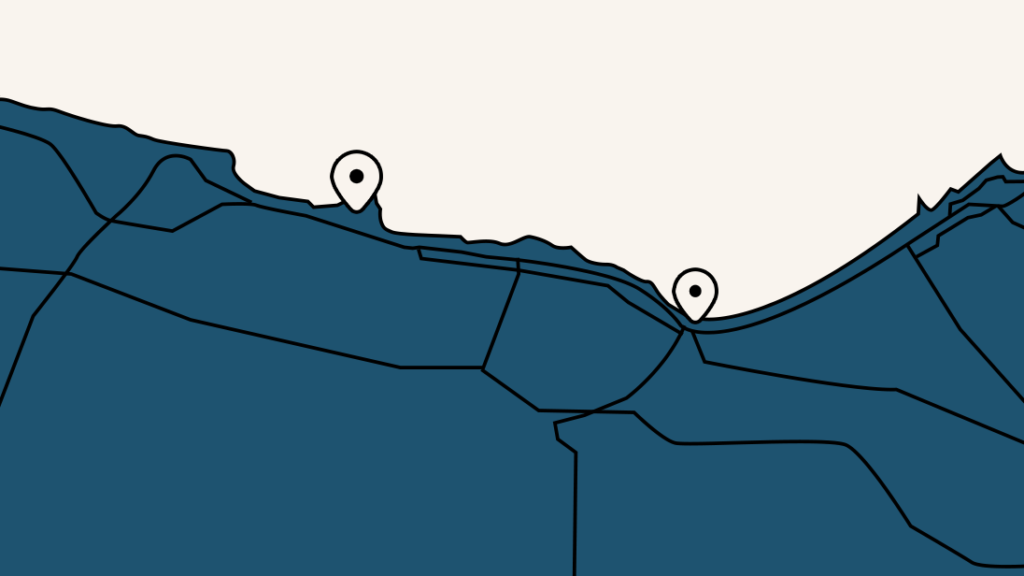
Egypt’s North Coast is one of the most sought-after destinations for real estate investment, with Ras El Hekma and El Alamein emerging as top choices. While both locations offer golden opportunities, they cater to different investment goals. Here’s a breakdown of the pros and cons of each area to help you decide where to invest. Ras El Hekma: The Future of Luxury Coastal Living Overview: Ras El Hekma, located west of the North Coast, is known for its crystal-clear waters, white sandy beaches, and high-end resorts. With increasing developer interest, it is becoming a future hub for luxury tourism and real estate. Pros: Prime Location – Offers some of the best beaches in Egypt, rivaling international destinations. Exclusive High-End Developers – Top developers like Mountain View, Emaar, and People & Places are launching resort-style projects. Higher Capital Appreciation – With ongoing infrastructure improvements, property prices are expected to surge. Low Population Density – Ideal for buyers looking for privacy, exclusivity, and serenity. Cons: Infrastructure Still Developing – While major roads and utilities are expanding, it’s not yet fully integrated like other urban areas. Higher Entry Costs – Prices are on the rise, making it a premium investment requiring higher initial capital. El Alamein: The Rising Urban Coastal City Overview: El Alamein is transforming into Egypt’s first fully developed coastal city, offering a mix of luxury resorts, residential towers, and commercial hubs. It is positioned as an all-year-round destination rather than just a summer getaway. Pros: Government-Backed Development – Major investment in infrastructure, roads, and utilities, making it a long-term sustainable city. Year-Round Living – Unlike seasonal resorts, El Alamein has schools, hospitals, and business centers, making it livable all year. Diverse Investment Opportunities – Offers apartments, serviced residences, and villas, attracting both end-users and investors. Lower Entry Costs – Compared to Ras El Hekma, some areas still have affordable investment opportunities. Cons: Less Beachfront Exclusivity – While it has beautiful coastlines, it lacks the secluded, resort-style ambiance of Ras El Hekma. High-Rise Developments – More urban-style construction may not appeal to those seeking a quiet beachfront escape. Market Competition – As a government-planned city, rapid development could mean slower long-term price appreciation compared to Ras El Hekma. Which One Should You Invest In? If you’re looking for long-term capital appreciation, luxury beachfront properties, and high exclusivity, Ras El Hekma is the better choice. If you prefer a well-developed city with year-round activities, commercial opportunities, and more affordable entry points, El Alamein is the smarter option. Both areas offer high ROI potential, but the right choice depends on your investment goals. If you want a personalized investment consultation, Contact us today